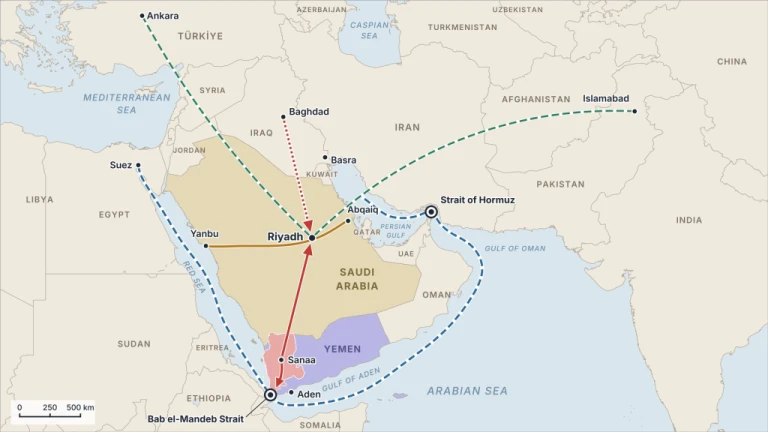
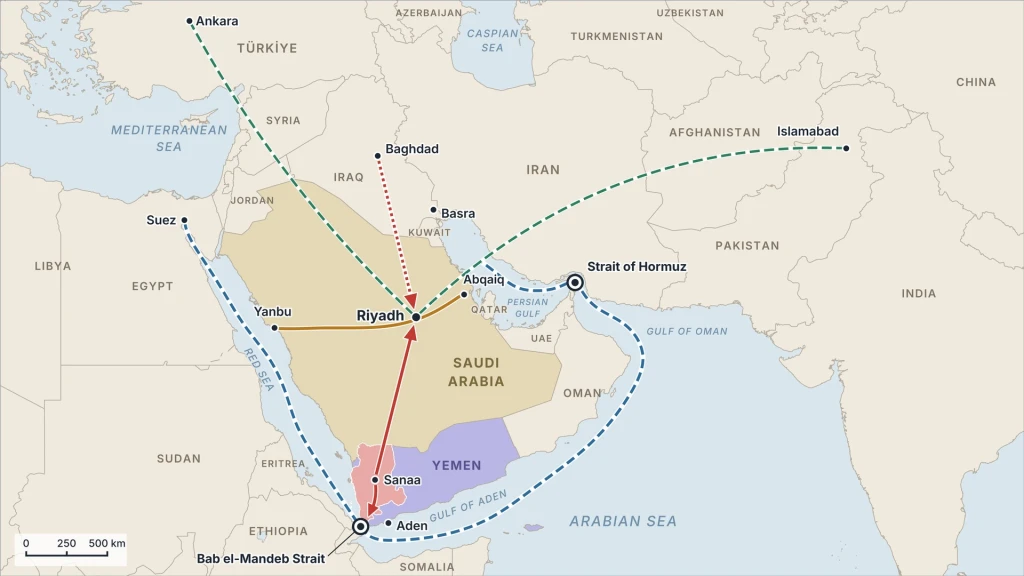
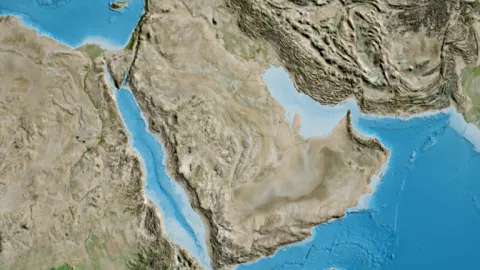
The future of the war in Yemen will therefore not be shaped by the military balance around Bab el-Mandeb alone. The wider question is how connected security threats will affect new defense partnerships in the Middle East and what consequences these partnerships will have for regional stability.
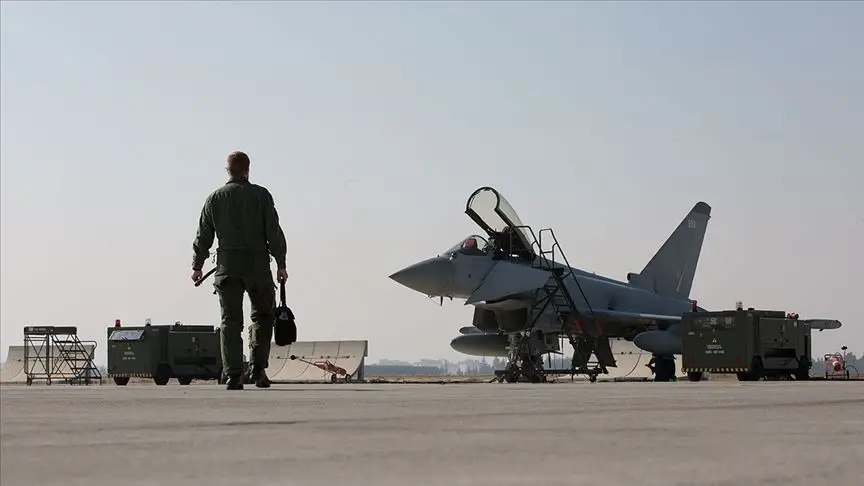
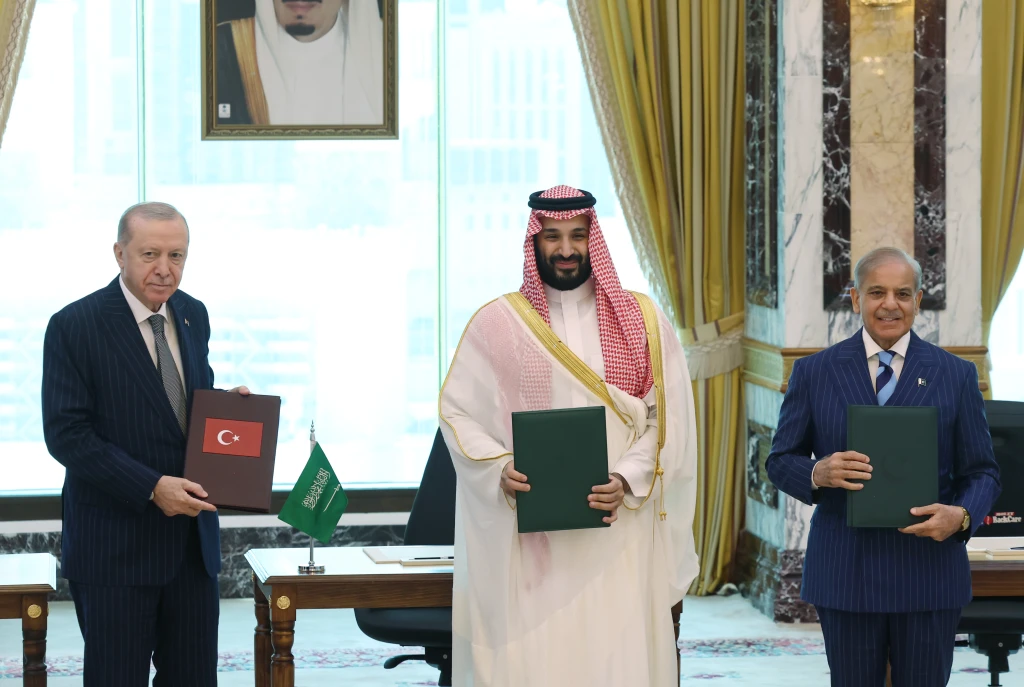
The future of the war in Yemen will therefore not be shaped by the military balance around Bab el-Mandeb alone. The wider question is how connected security threats will affect new defense partnerships in the Middle East and what consequences these partnerships will have for regional stability.
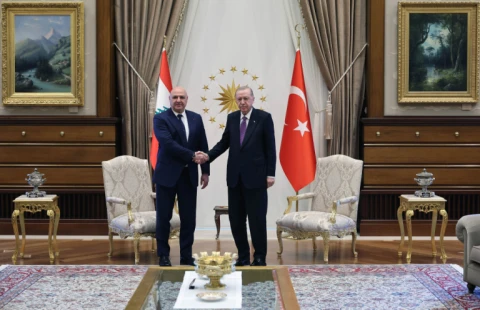
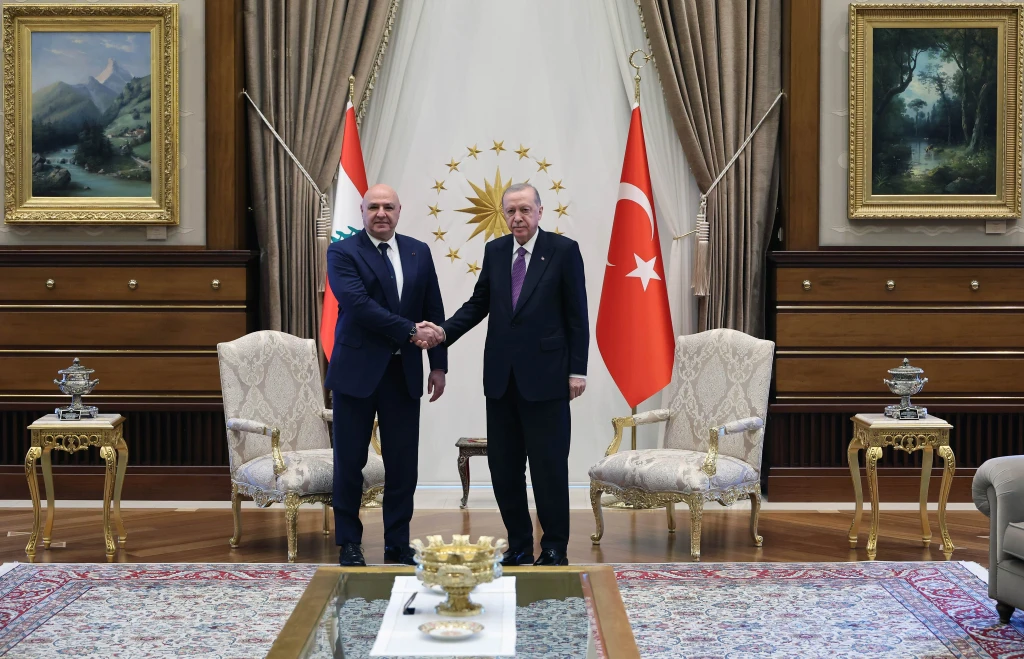
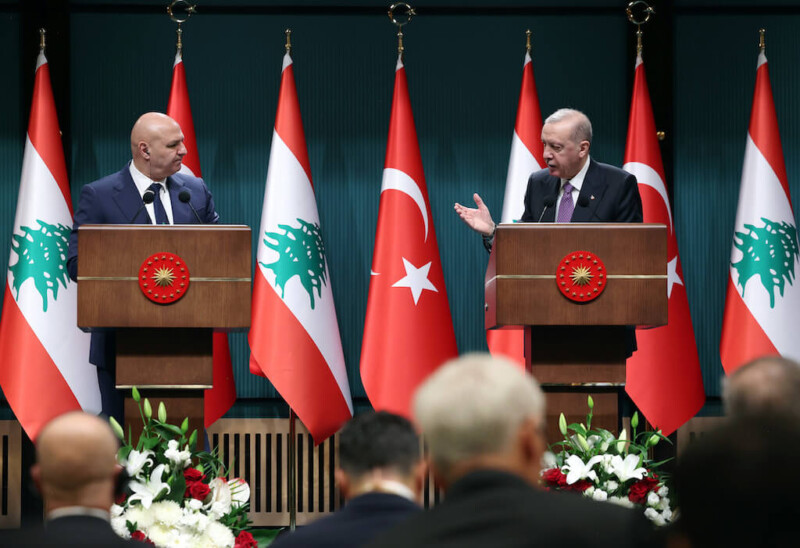
This analysis examines why Lebanon has become a strategic actor in Türkiye's new Levant strategy after the fall of the Assad regime and the rise of the Israeli threat, and assesses the opportunities and constraints shaping bilateral relations.
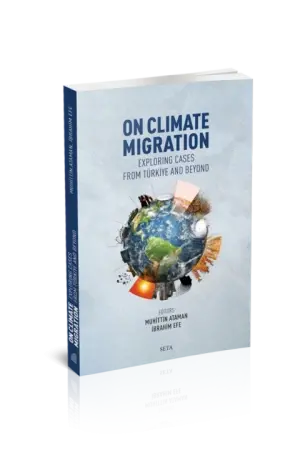
What were the dominant themes on the agenda at COP30? Why was Australia not selected to host COP31? How did Türkiye emerge as the deal-maker in the COP31 hosting battle? How is Türkiye's rising climate profile taking shape?
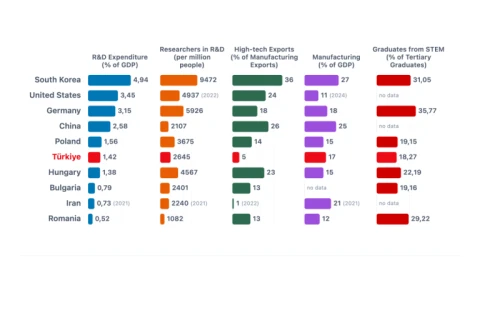
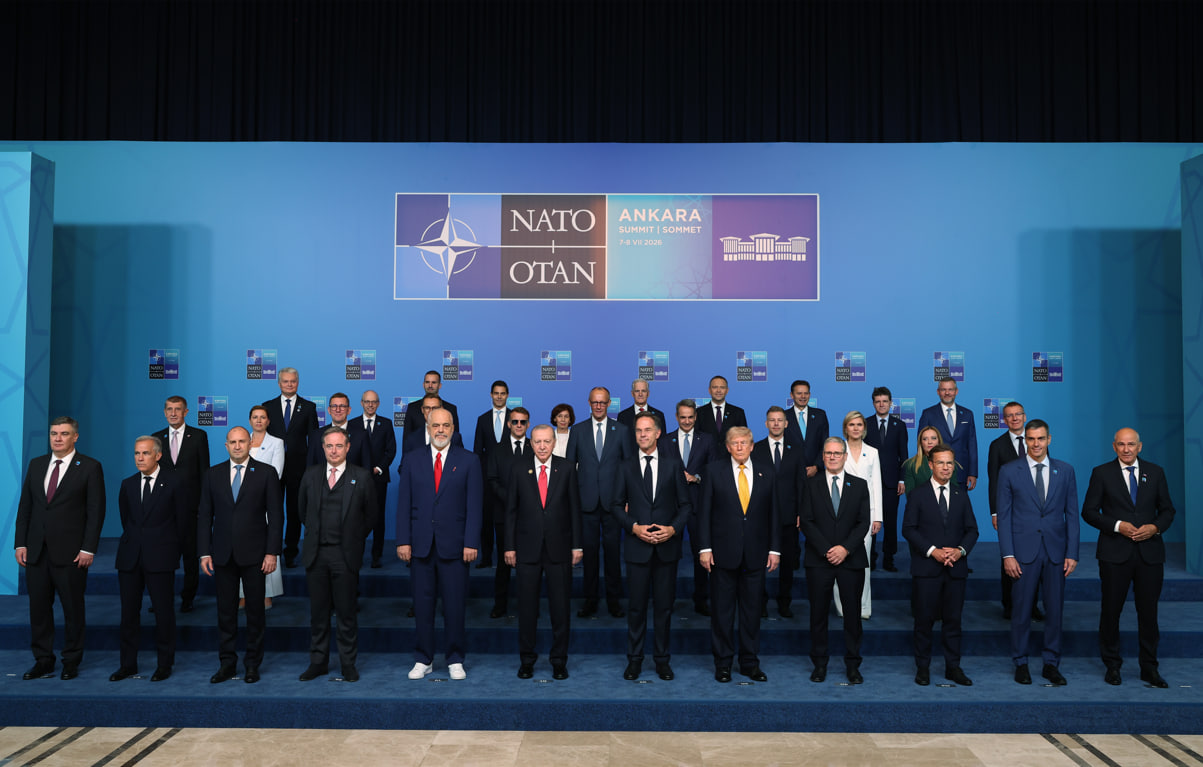
As Europe heads into the Ankara NATO Summit, the continent's apparent unity on the Russian threat conceals a deeper fragmentation. This report maps how national fears diverge along geographic fault lines — and how far military capabilities actually match them.
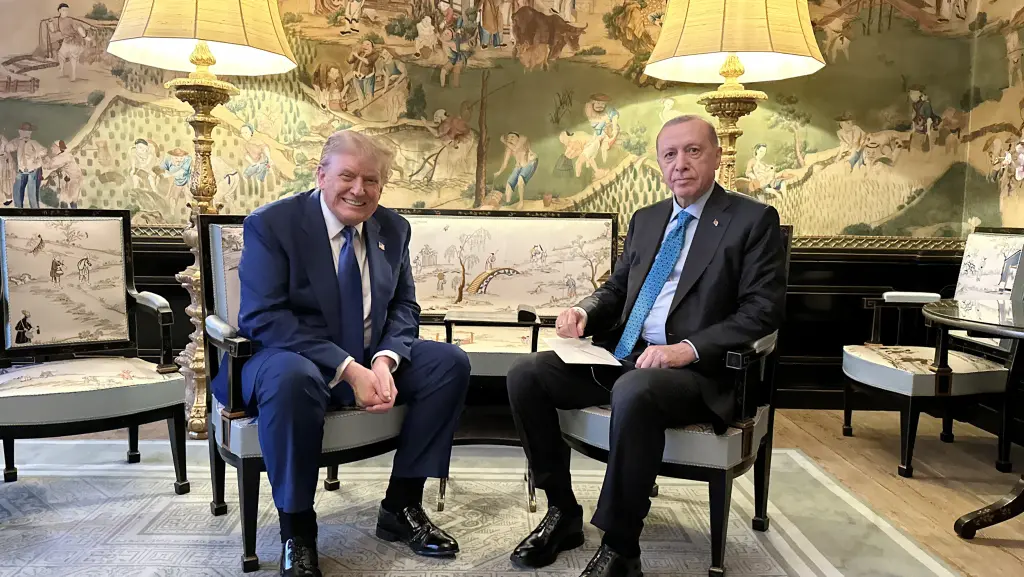
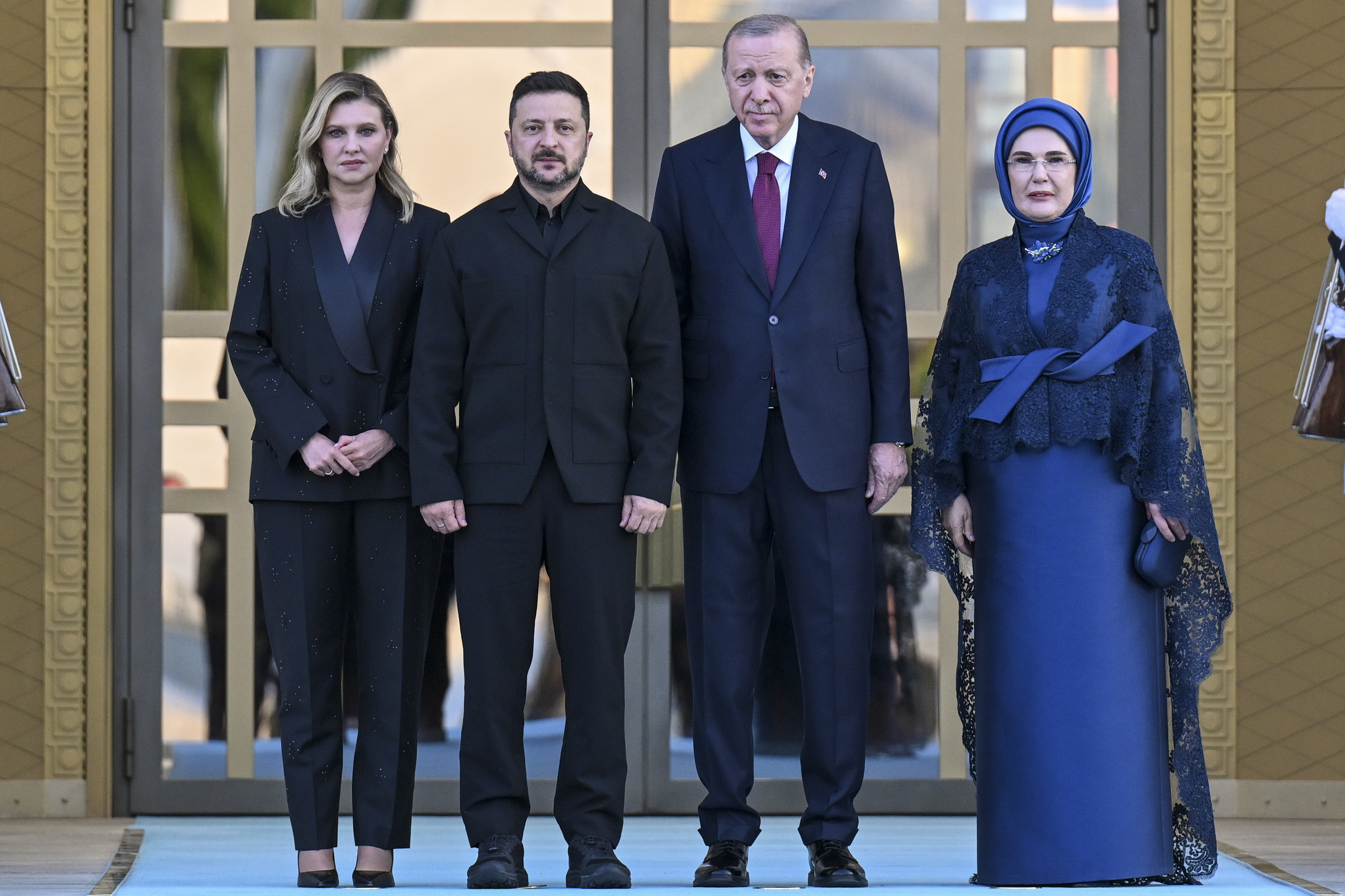
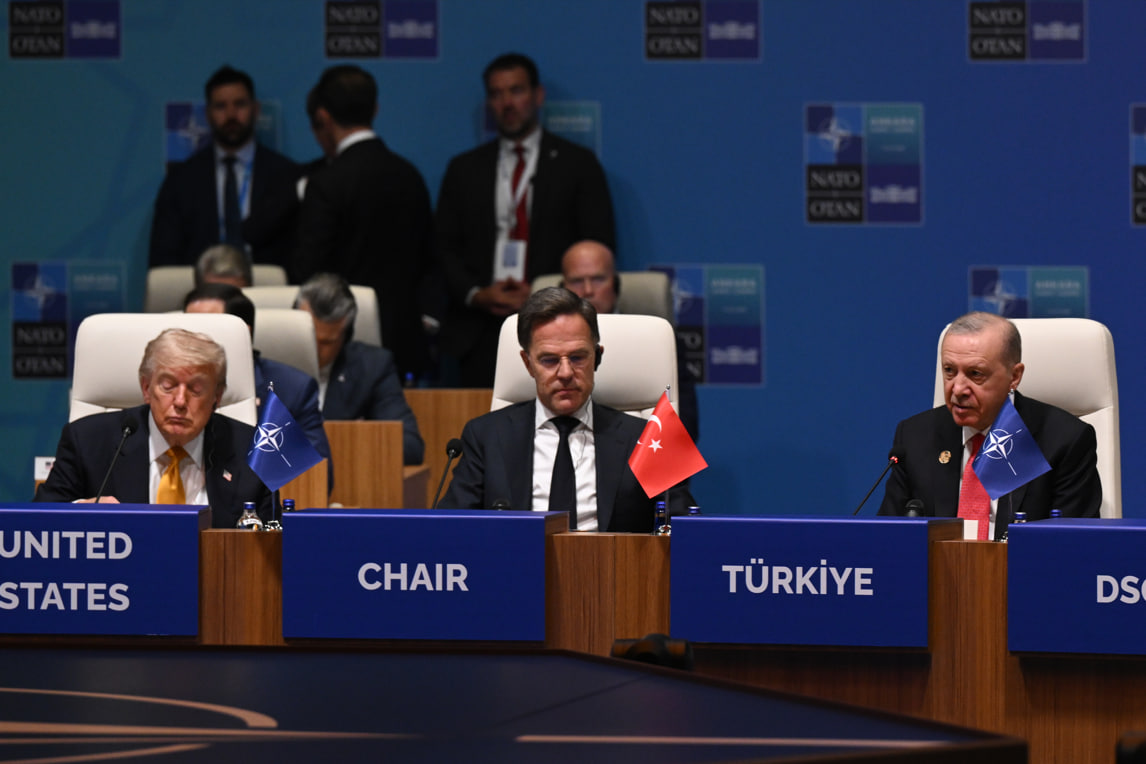
How are Turkish-American relations evolving during Trump 2.0? What agenda items could be covered during the Sept. 25 meeting? How will Erdoğan and Trump view the emerging global politics? How aware is Trump of the significance of U.S.' relations with Türkiye? How indispensable is the U.S. from Türkiye's point of view?
Speakers: Murat Yeşiltaş, Nebi Miş, Javlon Vakhabov, Ilkhom Khaydarov, Ufuk Ulutaş, Harun Türker Kara, Eldor Sobirjonovich Tulyakov, Kakadzhan Berdiev, Erman Akıllı, Khalilillo Saydakhmedovich Khamidov, Aben Dauren Abenuly, Hazel Çağan Elbir, Shukhrat Askarovich Tukhtabayev, Zukhra Khalimova, Kadir Temiz, Muhittin Ataman, Abylaev Timur Zamirbekovich, Murat Aslan, Yaşar Sarı
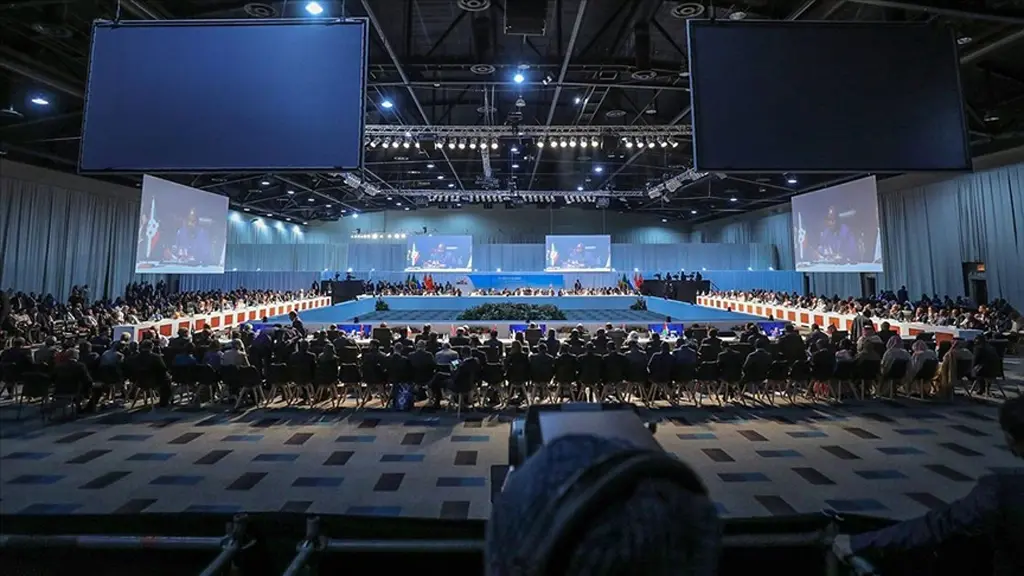
The Forum will translate expert insights and forecasts into actionable ideas and initiatives, thereby improving decision-making and enriching the practical substance of both bilateral and interregional agendas. The Forum's primary purpose is to discuss the current state, future prospects, and key priority areas of cooperation between the Central Asian states and Türkiye.