
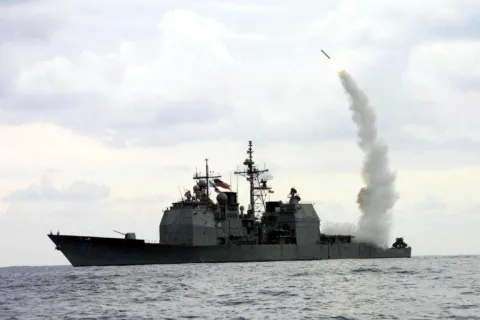
The regional security architecture and the practice of international diplomacy have undergone a structural transformation following the U.S.-Israeli military strikes against Iran on February 28, 2026. These strikes abruptly terminated a sophisticated, Omani-facilitated mediation process that had brought Tehran to the brink of significant nuclear concessions. Therefore, the disruption of active negotiations through force has become a critical turning point, raising fundamental questions about the long-term viability of mediation. The effectiveness of this mechanism depends on the belief that negotiations will be granted sufficient political space to mature; however, the February 28 strikes violated this condition, causing operational, reputational, and normative damage. From this perspective, the incident signifies a shift where military coercion risks sidelining dialogue into a secondary tool for mere crisis management rather than root-cause resolution.
In light of the perceived unreliability of great-power diplomacy, regional middle powers have stepped in to fill the diplomatic vacuum, creating a new geography of mediation. Oman continues its tradition of quiet facilitation and non-alignment, while Qatar leverages its ability to maintain discreet communication with diverse actors in controlled environments. Türkiye acts as a facilitator-stakeholder, utilizing its geopolitical leverage to bridge regional and global concerns, and Pakistan has emerged as a consequential actor by specifically focusing on facilitation, which led to the April 8 cease-fire. Ultimately, the durability of diplomacy lies in the reality that military engagements rarely resolve underlying political disputes. For these regional mediators, the challenge remains protecting the negotiation space from external disruptions to restore the normative status of mediation as a primary instrument of dispute settlement.