16
October 2026
Friday 16:00
Online
Add to Calendar
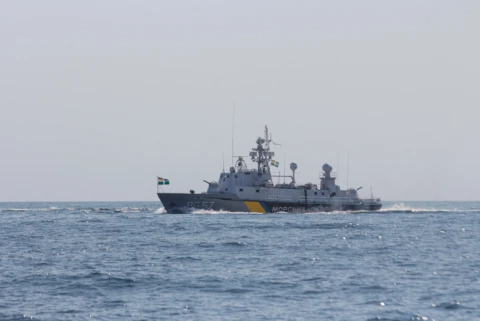
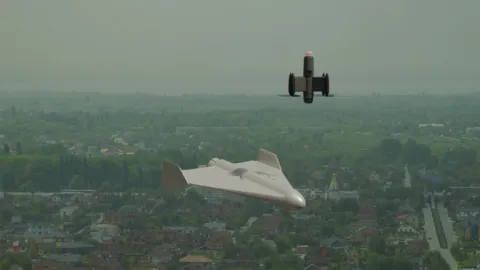
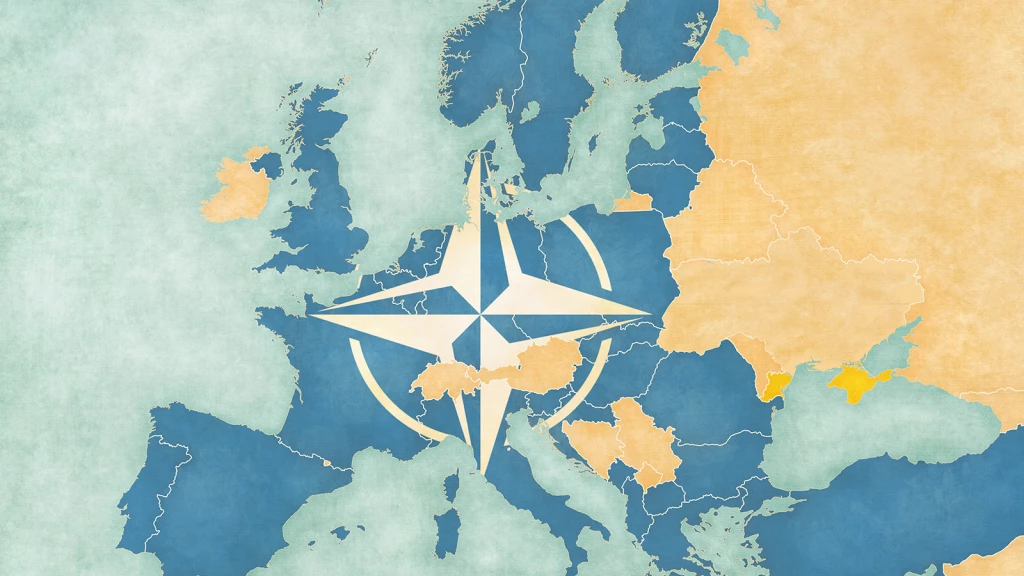
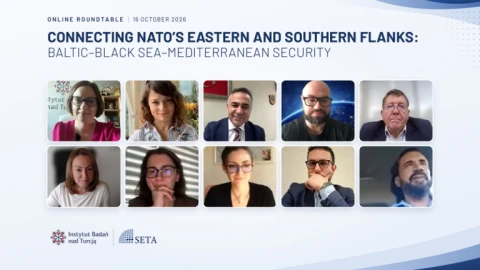
European security can no longer be approached through separate Eastern, Southern, Baltic, Black Sea, and Mediterranean security compartments. Russia’s war against Ukraine, hybrid pressure, threats to critical and undersea infrastructure, the growing use of unmanned systems, maritime insecurity, and instability in Europe’s wider neighborhood demonstrate that developments in one theatre increasingly affect security conditions in others. The project therefore seeks to connect these different strategic spaces within a broader framework of European–Turkish defense resilience.
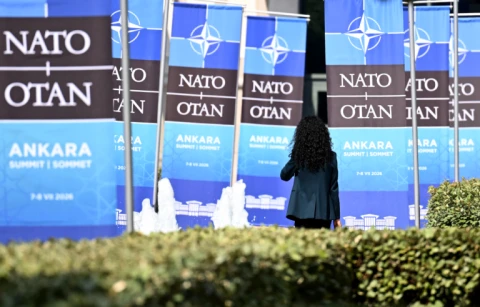
Within this framework, Poland and Türkiye provide complementary strategic perspectives. Poland is a key actor on NATO’s Eastern Flank and in the Baltic security environment, while Türkiye plays a central role in Black Sea security and NATO’s Southern and southeastern Flanks. Romania constitutes an important geographical and strategic link between these areas. The involvement of the Baltic States, Nordic and Central European countries, and other interested NATO and EU partners can further broaden this regional dialogue.
The project is designed to move beyond a conventional EU–Türkiye dialogue by creating stronger connections between the Baltic Sea, Central Europe, the Black Sea, and the Mediterranean. Rather than duplicating existing NATO, EU, bilateral, or regional initiatives, it seeks to connect expert communities, compare regional experiences, identify areas of practical convergence, and contribute to a more coherent understanding of European defence resilience.
This first workshop will establish the strategic foundation for the broader project by examining how the security dynamics of NATO’s Eastern and Southern Flanks interact and where closer European–Turkish and regional coordination could strengthen deterrence, defence, and resilience.
- 18
November 2026
17:00OnlineSpeakers: Kayhan Barzegar, Alam Saleh, Mustafa Caner
- 15
November 2026
14:15COP31 Green Zone, Climate Finance Hub, AntalyaSpeakers: Muhammed Onur Çöpoğlu, Büşra Zeynep Özdemir, Sezen Kaya SönmezThe panel compares three scales. Local communities experience climate change through concrete events such as forest fires, floods and drought. Türkiye's energy and climate policies show how a state balances energy security, development and climate commitments. The European Union links climate, energy and competitiveness in one framework, and its choices shape the options of its neighbours.
- 11
November 2026
17:00COP31 Blue ZoneSpeakers: Mustafa Varank, Ceren Uysal Oğuz, Senem Atvur, Başar Baysal
- 03
November 2026
17:00OnlineSpeakers: Betül Doğan Akkaş, Rabia Akhtar