18
November 2026
Wednesday 17:00
Online
Add to Calendar
Speakers

Kayhan Barzegar
Center for Middle East Strategic Studies

Alam Saleh
Australian National University

Mustafa Caner
Sakarya University & SETA
Moderator

Ali Murat Kurşun
Marmara University & SETA
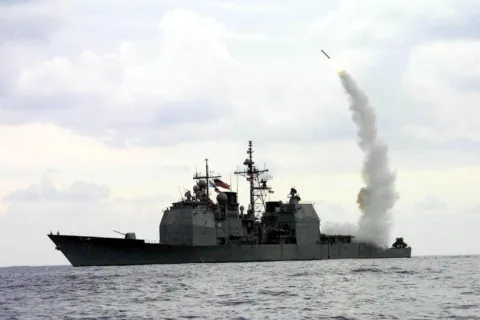
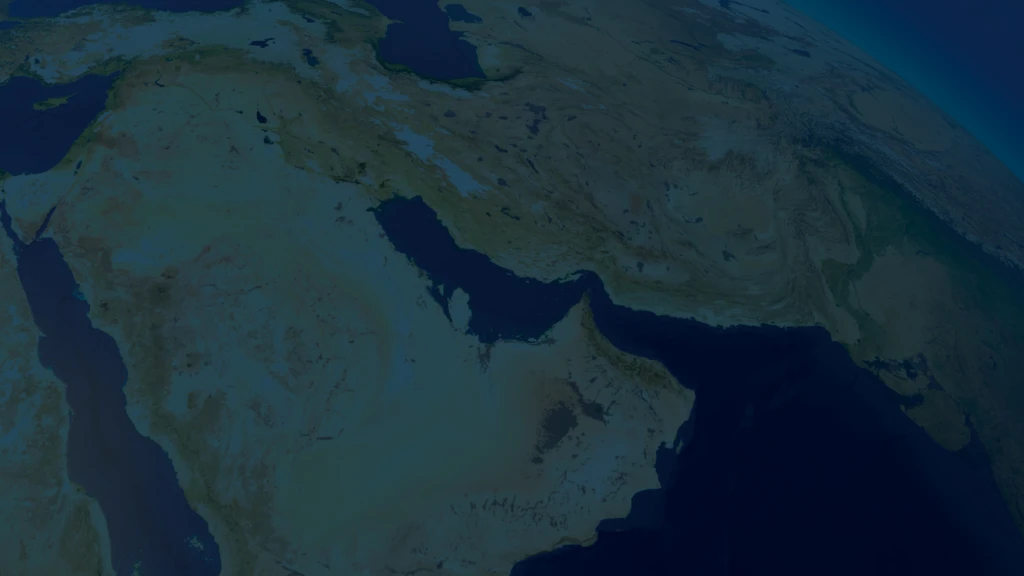
Iran’s postwar course is now a central question for the regional order. In this third session of the “Visions from Regional Capitals” web panel series, held under SETA’s Middle East: Order from Within research agenda, the panel will discuss how Iran will seek to restore deterrence and preserve its regional influence after the war, and what this means for its neighbours.
The panel will first address how Tehran reads the outcome of the war and which instruments it is likely to rely on as it rebuilds. In this context, it will assess the role of missiles, drones, cyber capabilities and armed networks, as well as the leverage offered by the Strait of Hormuz over regional energy and trade flows. How narratives of sovereignty and resistance shape these choices at home will also be discussed.
The discussion will then turn to what Iran’s postwar course means for regional actors. Taking into account differing threat perceptions and the vulnerability of energy-dependent economies around the Gulf, the panel will discuss whether this course opens space for regional diplomacy and de-escalation built from within, or produces a new cycle of coercion and hedging.
- 15
November 2026
14:15COP31 Green Zone, Climate Finance Hub, AntalyaSpeakers: Muhammed Onur Çöpoğlu, Büşra Zeynep Özdemir, Sezen Kaya SönmezThe panel compares three scales. Local communities experience climate change through concrete events such as forest fires, floods and drought. Türkiye's energy and climate policies show how a state balances energy security, development and climate commitments. The European Union links climate, energy and competitiveness in one framework, and its choices shape the options of its neighbours.
- 11
November 2026
17:00COP31 Blue ZoneSpeakers: Mustafa Varank, Ceren Uysal Oğuz, Senem Atvur, Başar Baysal
- 03
November 2026
17:00OnlineSpeakers: Betül Doğan Akkaş, Rabia Akhtar
- 28
October 2026
14:00OnlineSpeakers: Akram Umarov, Ambassador (R) Dr. Baktygul Kalambekova, Gabit Zhumatay, Yaşar Sarı, Mahammad Mammadov, Mr. Fazliddin Djamalov