SETA PUBLIC LECTURE by Naser Elmanea, SRPR Date: February 28, 2011 Monday Time: 16.00 - 18.00 Venue: SETA, Ankara
Violence has escalated in Libya as scores of disenchanted Libyans hit the streets, challenging the 42-year old reign of Col. Muammar Qaddafi. Inspired by the protesters in Tunisia and Egypt who succeeded in their primary goal of bringing down Bin Ali and Mubarak respectively, the Libyan protestors are demanding nothing less than their Tunisian and Egyptian neighbors. While Qaddafi blames “imperial” powers, Islamists, even Al-Qaeda, for meddling with Libyan affairs and orchestrating the ongoing protests, and vows crackdown; protesters are creating the so-called “liberated zones”. Meanwhile, foreigners, including 25,000 Turkish nationals, are fleeing chaos in Libya, and the international community is calling for sanctions to stop the violence.
- Will Qaddafi hold on to his power at all costs in Libya?
- Will the prevailing violence bring down the Qaddafi regime or put down the uprising?
- To what extent does tribalism determine the course of events in the country?
- What are the post-Qaddafi scenarios in Libya?
- What will be the economic effects of the developments in Libya?
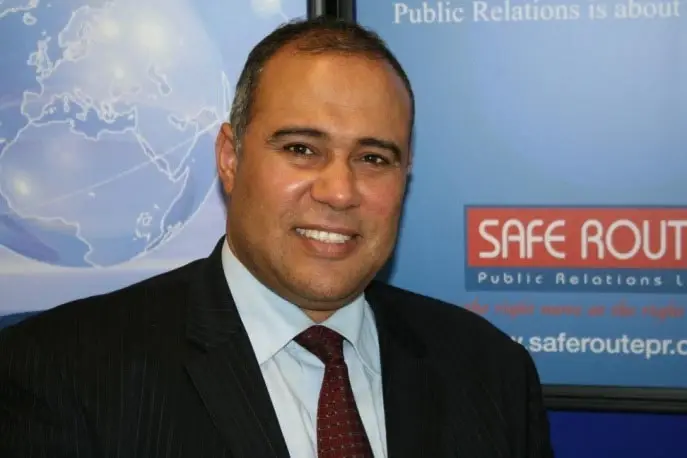
Naser Elmanea is a Libyan national and the General Director of Safe Route Public Relations Ltd. based in the UK. He is a consultant and trainer in the field of Public Relations and Communications to many governmental - private institutions and a number of government leaders in a variety of topics.
***
SETA olarak 28.02.2011 tarihinde düzenlemiş olduğumuz “Libya’s Uprising: What is Next?” başlıklı panele Libya’dan Naser Elmanea konuk olmuştur. Kısaca Libya tarihinden başlayarak ülkenin bugünlere nasıl geldiğini anlatan Elmanea, Kaddafi yönetiminin ülkedeki problemlerin kaynağı olduğuna vurgu yaptı. Güçlü bir ordusu bulunmayan Libya’da Kaddafi’nin zaman içinde kendisine bir özel ordu kurduğunu ifade eden Elmanea, Kaddafi’nin çocuklarının da ülkedeki en önemli güç sahibi otoriteler olduğuna dikkat çekti. Libya ekonomisinin petrole dayandığını ve buradan elde edilen gelirin yine Kaddafi çevresindeki yakın halka içinde paylaşıldığını anlatan Elmanea’ya göre Kaddafi gitmeden ve halkın yönetime katılabileceği demokratik bir süreç başlamadan Libya’daki ayaklanmaların sonu gelmeyecek. 1996’da Trablus’taki bir hapishanede acımasızca öldürülen 1200 mahkûmun ailelerinin oluşturduğu muhalif gücün, Libya’daki son ayaklanmalarda insanları harekete geçiren önemli bir rol oynadıklarını anlatan Elmanea, ülkenin birçok yerinde ordudan askerlerin ve polislerin de göstericilerin tarafına geçmiş olmasının önemine vurgu yaptı. Ülkede Kaddafi’den memnun olan çok az insanın olduğunu ifade eden Elmanea, Kaddafi’nin ne yapacağı tahmin edilemeyen bir diktatör olması sebebiyle Batı tarafından da sevilmediğine işaret etti. Elmanea’ya göre Libya’daki gösterilerde 2000 civarında insan öldü ve bunların çoğuna Kaddafi’nin Afrika’dan (özellikle Çad ve Darfur bölgesinden) getirttiği paralı askerler sebep oldu. Kuzeydoğu bölgesindeki dört büyük şehri göstericilerin ele geçirdiğini ve her bir şehirde yerel yönetimlerin kurulduğunu anlatan Elmanea, ülkenin batı bölgelerinde de benzer bir durumun yaşandığını, şimdi asıl önemli olan yerin Trablus olduğunu anlattı. Paralı askerleri ve yandaşlarını silahlandıran Kaddafi’nin ülkeyi bir iç savaşa s&uum- 20
November 2026
14:00SETA AnkaraSpeakers: Vali Nasr - 18
November 2026
17:00OnlineSpeakers: Kayhan Barzegar, Alam Saleh, Mustafa Caner
- 15
November 2026
14:15COP31 Green Zone, Climate Finance Hub, AntalyaSpeakers: Muhammed Onur Çöpoğlu, Büşra Zeynep Özdemir, Sezen Kaya SönmezThe panel compares three scales. Local communities experience climate change through concrete events such as forest fires, floods and drought. Türkiye's energy and climate policies show how a state balances energy security, development and climate commitments. The European Union links climate, energy and competitiveness in one framework, and its choices shape the options of its neighbours.
- 11
November 2026
17:00COP31 Blue ZoneSpeakers: Mustafa Varank, Ceren Uysal Oğuz, Senem Atvur, Başar Baysal