
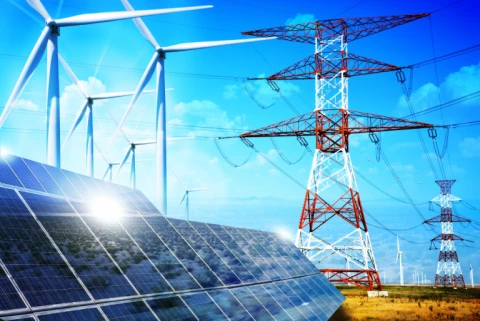
For a long time, debates on the energy transition were framed around the tension between climate commitments and economic growth. Yet the main factor behind the rise of renewable energy over the past decade is not how binding the commitments were but the fact that investment became profitable. Falling cost curves, predictable revenue models and economies of scale have made solar and wind the preferred option for capital.
This analysis argues that the same threshold is now being tested in electrification. The center of electricity demand is shifting from advanced economies to developing countries, and transport, cooling, industry and digital infrastructure are creating new pools of demand for electrification. The 31st Conference of the Parties to the United Nations Framework Convention on Climate Change (COP31), which will convene in Antalya on November 9-20, 2026 under Türkiye's presidency, has set electrification as the first global implementation target of its Action Agenda and has put forward a 35% electrification rate in final energy consumption for 2035.
The main argument of the analysis is that the obstacle to this target is not generation technology. As the COP31 Presidency's own diagnosis also points out, the key constraints are inadequate grids, the flexibility gap, access to finance and high upfront investment costs. What these areas have in common is that the return logic established in renewable generation has not yet been carried over to them. The most concrete contribution Antalya can make, therefore, is not a new list of commitments but an architecture of cooperation and risk sharing that makes investments in grids, storage and coal phase-out predictable for investors. With both its rapid deployment record and its grid and cost-of-capital constraints, Türkiye offers a case in which this model is being put to the test.