
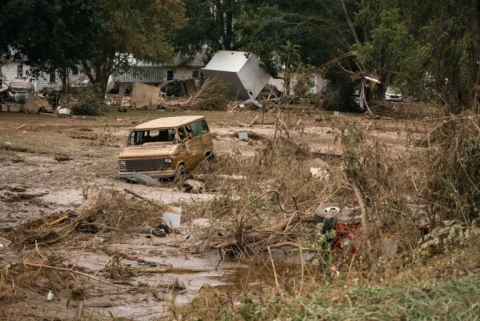
The climate crisis is not a direct cause of terrorism and organized crime. However, climate-related pressures such as drought, floods, and hurricanes create new opportunities for armed groups. The literature has largely explained the pathways through which these opportunities arise. This analysis asks when these opportunities grow and why different non-state armed actors use the same opportunity in different ways. It does so through the cases of Somalia, the Northern Triangle (El Salvador, Guatemala, and Honduras), and Senegal. The first finding is that risk peaks when a climate shock, a security gap, and an aid gap coincide. The second finding is that, within this window of opportunity, the armed actor’s goal determines how it exploits climate pressure. In Somalia, al-Shabaab, which seeks to overthrow the existing government and establish rule based on sharia, turns to taking control of aid and services and to collecting taxes during droughts. In the final months of 2026, the three gaps are coinciding in the country once again. In the Northern Triangle, gangs seeking profit and local control blocked aid from reaching communities in Honduras after the 2020 hurricanes, extorted people returning to their homes, and tightened their control. In the Sahel, Jama’at Nusrat al-Islam wal-Muslimin (JNIM), which is in an expansion phase, targets trade routes and mining areas in western Mali, and this pressure also affects the economy of Senegal. Senegal faces climate pressure, but its security and aid gaps have not yet opened, and there is still time for prevention. The analysis makes four recommendations. The first is for early warning tools to monitor drought and flood forecasts together with the activities of armed groups, the presence of security forces, and aid funding. This would make it possible to see in advance when the gaps will coincide. The second is for decisions on security and aid to be taken up together. In Somalia, it would be appropriate to assess the future of the African Union mission and humanitarian funding within the same timeline while the risk of Famine persists. The third is for responses to differ according to the actor’s goal. Visible state services stand out against a terrorist organization seeking sharia-based rule. Against gangs, the priority is to protect aid and the people returning home, and against an expanding terrorist organization, to protect trade routes and border areas. The fourth is to take preventive steps in places such as Senegal, where the window has not yet opened.
23 October 2026
Climate as a Threat Multiplier: How Do Non-State Armed Actors Exploit the Crisis?
This analysis examines the opportunities that the climate crisis presents to non-state armed actors, when these opportunities expand, and why different actors exploit the same opportunities in different ways, through the cases of Somalia, the Northern Triangle, and Senegal.
RELATED PUBLICATIONS