
On February 6, 2023, two major earthquakes struck Türkiye: one with a magnitude of 7.7 centered in the village of Sofalaca in the Şehitkamil district of Gaziantep, and another with a magnitude of 7.6 in the afternoon, centered in the Ekinözü district of Kahramanmaraş. These quakes caused widespread destruction across eleven provinces in the Eastern Anatolia, Southeastern Anatolia, and Mediterranean regions, marking what has been called the “disaster of the century.”
While search and rescue operations continued in the region, a third earthquake struck on February 20, 2023, with a magnitude of 6.4, centered in the village of Büyükçat in the Samandağ district of Hatay. This quake led to the collapse of buildings that had withstood the previous two earthquakes.
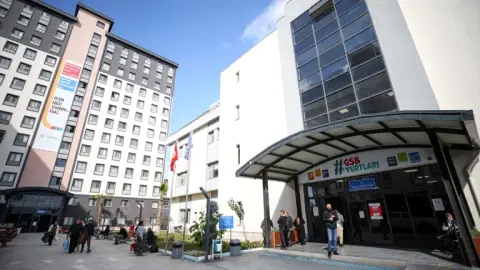
In addition to ongoing rescue and debris removal operations, temporary shelter centers were established in the region, and regular aid deliveries were organized for survivors. According to a statement by the Disaster and Emergency Management Authority (AFAD), as of February 27, 44,374 citizens had lost their lives. Shelter was being provided to 1,914,292 citizens in tents, containers, hotels, dormitories of the Ministry of Youth and Sports (MoYS), facilities of the Ministry of National Education, public guesthouses, and other accommodation units.
Following the February 6 earthquakes, a state of emergency covering the eleven affected provinces was declared by the President and approved by the Grand National Assembly of Türkiye (TBMM). Under this emergency framework, MoYS dormitories assumed a highly critical role in disaster response.
Dormitories in all 81 provinces were allocated to meet the accommodation, nutrition, medical care, rehabilitation, and safety needs of earthquake victims. As of February 22, space had been reserved for 200,000 earthquake survivors, and 160,000 individuals had already been accommodated.
